
WTO Reports Rise in Trade Restrictions and New Trade Facilitation Efforts
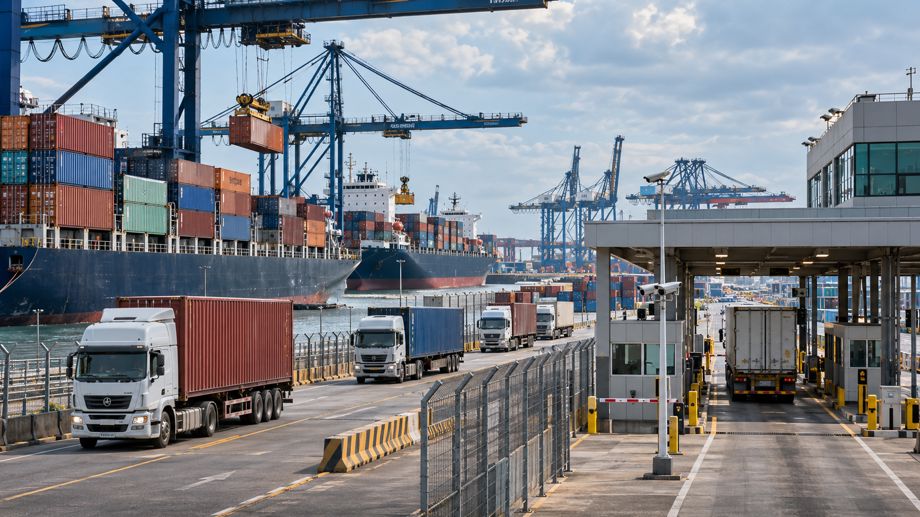
The World Trade Organization released a new report about global business. Nations are putting up more trade restrictions, but members are also working on trade facilitation efforts. These changes impact how goods move across borders around the world.
What is happening with trade restrictions right now?
Countries are adding new rules that limit buying and selling across borders. A trade barrier can make foreign items cost more or take longer to arrive in your local stores. When nations add these rules, it usually means higher prices for normal everyday buyers. Companies have to spend more time working through paperwork before they can send their products abroad.
At the exact same time, many governments want to fix these slow shipping issues. Member countries in the World Trade Organization are taking real steps to speed up border checks. They are trying to make rules simpler so clean shipments pass through customs without long delays. It is a big test to see which side wins out in the end.
How do trade facilitation efforts help shoppers and businesses?
Making customs easier helps lower the final price of items on store shelves. When trucks and ships move faster through ports, companies lose less money on wasted time. This helps small businesses sell their goods to foreign buyers without hiring huge legal teams. It also means grocery stores can keep fresh fruit and basic supplies in stock all year long.
Trade agreements usually focus on cutting down red tape at the border. Here are a few ways these new steps help people every day:
- border checks move much faster for everyday goods
- Lower shipping fees mean better prices for online shoppers
- Clearer rules help local shops sell products to other countries
Why are governments adding rules while trying to ease trade?
Governments often try to protect their own local factories and farmers from outside choices. They put up new limits so citizens buy items made inside their own country instead. But leaders also know that total trade blockages hurt their own citizens. If a country blocks too many imports, it cannot get the medicine, oil, or food it needs to survive.
That is why leaders balance tough security steps with helpful border rules. They want to protect local workers while still keeping international business alive. This double approach creates a complex situation for every major shipping route. Business owners must watch the daily news closely to see which items face new taxes each week.
What should you watch for next in global business?
In the coming months, big nations will continue to update their border policies. You might notice subtle price shifts on imported electronics, clothes, or basic food items. If trade limits keep rising fast, some goods might take much longer to reach your favorite local stores. But if border fixes succeed, shipping could actually become smoother than before.
Experts will keep studying the main reports coming out of international groups. Leaders will meet at major summits to discuss how to keep world supply chains moving. Everyday shoppers should watch how their favorite brands handle these changing customs rules. The balance between border stops and fast trade affects every store shelf near you.
Written by Saiko Takumi for EIB NEWS.
Our reporting follows our Editorial Policy. Spotted a mistake? See our Corrections Policy or contact us.