
UN Warns Ebola Cases Double in DR Congo
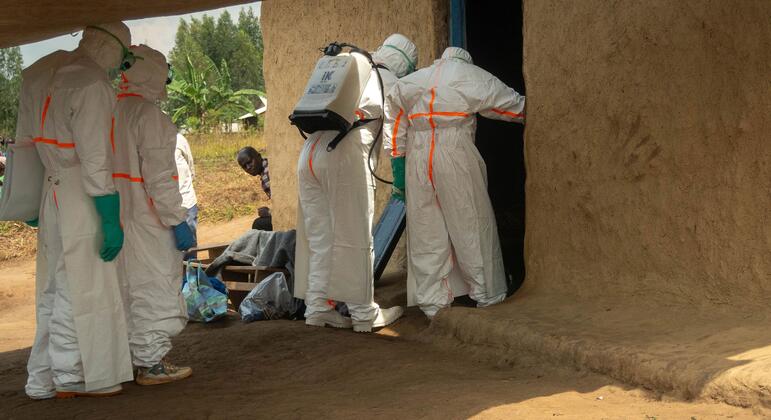
The United Nations reports that Ebola cases have doubled in the Democratic Republic of the Congo. Health officials are watching the spread closely as more people fall ill from the dangerous virus. This sudden rise creates urgent challenges for medical teams working on the ground.
What is happening with Ebola cases in DR Congo?
The number of confirmed infections has multiplied quickly across affected areas. When an outbreak grows this fast, finding sick people early becomes much harder for local clinics. Doctors and nurses need to act rapidly to help patients and protect their neighbors from catching the virus.
Ebola spreads through direct contact with body fluids of sick people. Because the illness makes people very weak, families need clear advice and quick support from health workers. Without fast help, small clusters of illness can turn into much larger emergencies in busy towns.
Why stopping Ebola outbreaks is so hard
Medical teams face major hurdles when they try to stop deadly diseases in remote places. Travel can be slow, and clinics often lack basic supplies and beds for new patients. When case counts double, local hospitals can run out of space and clean safety gear in just a few days.
Fear also makes the work harder for everyone involved in the response. People may worry about going to a clinic or leaving their homes when strangers arrive in protective suits. Health workers must build trust with local leaders so families feel safe asking for medical care.
What to know about the new health warning
The United Nations shared this update to warn international partners that help is needed right away. Rapid action can stop a regional crisis before it crosses borders into neighboring countries. Keeping the public informed helps stop rumors and ensures aid gets to the right spots.
- Ebola case numbers in the country have doubled in a short time.
- Medical teams need more support to track everyone who touched a sick patient.
- Fast isolation stops the virus from reaching other villages.
- Clear facts protect families from dangerous rumors about how the sickness spreads.
What needs to happen next to keep people safe
Health groups must send more supplies, medicine, and trained workers to the hot spots immediately. Tracking everyone who had contact with an infected person is the best way to cut off the chain of spread. If teams find exposed people fast, they can check their health daily and stop new clusters.
Global health agencies will keep sharing regular counts from the Democratic Republic of the Congo in the coming weeks. World leaders will look at these updates to decide how much funding and aid to send. Fast support now can save many lives and bring this outbreak under control.
Written by Saiko Takumi for EIB NEWS.
Our reporting follows our Editorial Policy. Spotted a mistake? See our Corrections Policy or contact us.